
Monarch: Budget & Track Money
Monarch MoneyFinance
4.82.32K Reviews
- Version
- 2.0.112
- Installs
- 500.00K
- Age Rating
- Everyone
Screenshots



Our Review of Monarch: Budget & Track Money
 Analysis by Appyee
When several people share a household budget, money problems are often less about math than mismatched assumptions: one person thinks a bill has been paid, another is saving for a trip, and neither has a clear view of the month. I find Monarch: Budget & Track Money most useful as a place to review the bigger financial picture and make those conversations more concrete. It is a finance app from Monarch Money, and its focus on budgets, net worth, and investments makes it broader than a simple expense notebook.
Getting Started with Monarch: First Impressions
When you first open Monarch: Budget & Track Money, it’s like stepping into a world where everything just makes sense. The user interface is clean and intuitive, which is a huge plus for someone like me who gets overwhelmed by cluttered screens. It’s like the app just knows how to guide you without bombarding you with too many options at once.
The setup process is a breeze. You start by linking your bank accounts, which might sound a bit daunting, but Monarch assures that your data is secure. I linked mine in less than a minute, and boom, I was ready to roll. It automatically categorized my expenses, which was a relief because, honestly, who has time to do all that manually?
Setting boundaries before sharing a household view
For couples or housemates, I’d agree on the purpose of the budget before connecting accounts. Decide which expenses you want to discuss together—rent, groceries, utilities, or a shared savings goal—and which finances each person prefers to manage privately. That conversation matters because a consolidated dashboard can feel helpful to one person and intrusive to another. I would not treat a shared budget as permission to expose every account or purchase; set expectations first, then connect only what fits the arrangement.
Account linking is convenient, but it also creates a practical dependency: the app’s picture is only as useful as the accounts and transactions it can bring together. If a connection needs attention or a transaction is categorized incorrectly, check the source account and the transaction details before making a household decision from a total. I’d also keep a separate record of any important bill deadline or agreement rather than assuming a budgeting view replaces the household’s usual reminders.
Features That Make Monarch Stand Out
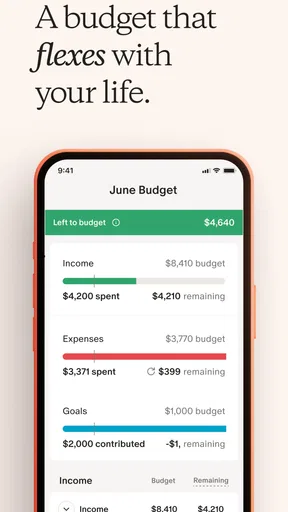
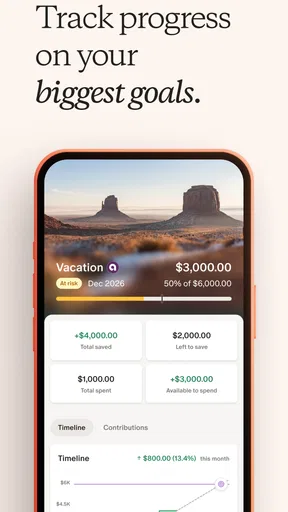
One of the standout features is its customizable budget tool. You can tailor it to fit your lifestyle, which is perfect if your spending habits are as unpredictable as mine. Monarch lets you set your own goals, whether it's saving up for a vacation or just trying not to go broke by the end of the month.
A useful way to make a budget less discouraging is to distinguish a genuinely flexible category from a bill that rarely changes. For example, I’d review groceries and dining more often than a fixed monthly payment, then adjust the flexible target when real spending shows a pattern. That keeps a budget from becoming a list of arbitrary limits. For a shared vacation fund, agree on the target and contribution approach outside the app first; a goal is clearer when everyone knows what it means and what counts toward it.
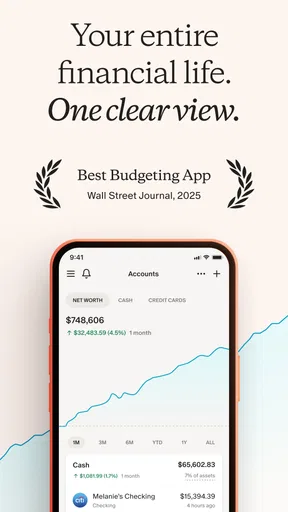
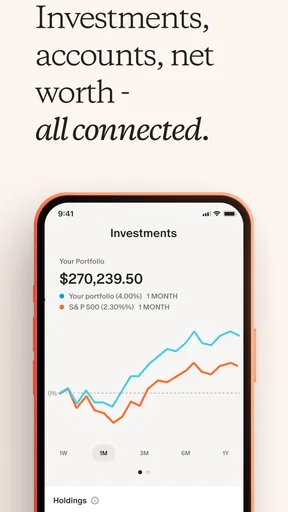
Another cool feature is its net worth tracker which gives you a snapshot of your financial health. Seeing all your assets and liabilities in one place is both terrifying and enlightening. It’s like stepping on the scale after the holidays; you might not like what you see, but it’s necessary.
That broader snapshot is valuable for a different reason than a monthly spending plan. A household can be doing well on day-to-day expenses while still carrying debt or building savings slowly, and a net-worth view encourages a longer conversation. I would read changes as context, not as a score or a verdict on who is contributing more. Investment values and balances can move for reasons unrelated to anyone’s spending choices, so the tracker is best used to notice trends and ask better questions, not to settle an argument.
Monarch also offers insights and advice, which I found super helpful. It’s like having a wise old money guru giving you a nudge in the right direction. The app analyzes your spending patterns and offers tips on where you can cut back or adjust. It’s the little push we all need to make smarter choices.
Coordination without turning every purchase into a debate
For everyday coordination, I’d use a short, regular check-in rather than reacting to every alert. Imagine a household reviewing the week after groceries and a utility bill have posted: one person can confirm the shared costs, while the other checks whether the planned savings contribution still makes sense. That is more productive than treating an individual purchase as a problem simply because it appears in a spending category. The app can provide a shared point of reference, but the people using it still need to decide what counts as fair and what requires discussion.
Automatic categories save effort, yet they should not be treated as unquestionable accounting. A mixed shopping receipt or a purchase that could reasonably fit more than one category may need a quick review. I’d correct the few items that affect a budget decision instead of spending time perfecting every historical transaction. That small habit can make monthly totals more useful without turning money management into a second job.
Usability and Daily Experience
Using Monarch: Budget & Track Money daily is surprisingly simple. The app sends reminders and notifications, so you always know where you stand financially. I really appreciated the spending alerts, which are like a gentle "hey, maybe you don’t need that extra latte today."
Alerts work best as prompts to check context, not as automatic instructions to stop spending. A higher-than-usual total might come from a necessary one-off purchase, while a string of small charges can be easy to miss. If you share a household view, agree on which notifications are useful and how you’ll talk about them; otherwise, reminders can feel like monitoring rather than help. Anyone who dislikes financial notifications should consider whether that nudge-based routine suits them before building a daily habit around it.
The app’s dashboard is customizable, which means you can focus on what matters most to you. For me, it’s all about tracking those sneaky little daily expenses that add up. You can adjust what you see, so if you're more interested in your monthly spending report or your long-term goals, you can prioritize that.
That flexibility is especially helpful when two people care about different time horizons. One might want to check this month’s spending, while the other is more interested in debt, savings, or investments. A practical compromise is to choose a dashboard view that supports the household’s immediate decisions and review the longer-term picture during a planned check-in. It avoids the expectation that every person must use the same screen in the same way.
How it compares with simpler money tools
Compared with a basic spreadsheet, Monarch can reduce manual work by bringing connected financial activity into a central view and sorting spending into categories. A spreadsheet still wins for people who want complete control over formulas, custom layouts, and exactly what information is recorded. It can also be the better choice when someone does not want to link accounts or prefers to enter only shared bills rather than gather a full personal financial picture.
Compared with a bank’s own spending summary, the appeal here is the wider perspective: budgeting can sit alongside net worth and investment tracking instead of being limited to activity at one institution. That breadth is useful if you want one place to review several parts of your finances, but it is more than some people need. If your only question is whether you have enough in checking for the next bill, your bank app may already answer it with less setup.
There is also a trade-off between an automatically updated overview and a cash-based or envelope-style routine. People who rely on physical cash, want every transaction entered by hand, or prefer strict category-by-category control may find a manual system more satisfying. I’d choose Monarch for a broad, ongoing view and choose a simpler tracker when the goal is only to record a few expenses with minimal account connection.
Age, trust, and who should use it
The app is rated for Everyone, but that is not a reason to hand over financial responsibility to a child or to put a household account on a shared device without thinking it through. I’d keep sign-in access and account decisions with the adults responsible for the finances, and use the app together only when everyone understands what they are reviewing. For a teenager learning to budget, discussing a simplified monthly allowance may be more appropriate than showing a full household financial picture.
Trust also depends on being clear about what the app is for. If one person wants a joint view to plan shared bills while another expects all their personal purchases to remain separate, clarify that boundary before linking anything. I would skip a shared setup if the people involved cannot agree on access or if one person feels pressured to disclose private finances. A budgeting tool can support a respectful conversation, but it cannot create trust by itself.
Monarch is free to download, with in-app purchases ranging from $14.99 to $99.99 per item. Its average rating is 4.7 from around 19,000 ratings, and it has over 500,000 installs. The app was released on January 21, 2021; version 2.0.76 requires Android 7.0 or later. Those details make it easy to identify the current Android release, but I’d still weigh the purchase options against how much of the broader tracking experience you expect to use.
Final Thoughts: Is Monarch Worth It?
After spending some quality time with it, I can safely say that Monarch: Budget & Track Money is a solid choice for anyone looking to get a grip on their finances. It’s user-friendly, packed with useful features, and genuinely helps you understand where your money is going.
I’d recommend it most to someone who wants budgeting and a wider financial overview in one place, especially if a household can agree on what to share and how to use the numbers. It is less compelling for people who want a tiny expense log, refuse to connect accounts, or need a highly controlled manual system. The app’s automatic organization and broad view are conveniences, not substitutes for checking unusual transactions or making a plan together.
If you’re someone who’s serious about taking control of their financial future, this app is definitely worth a shot. It’s like having a budget buddy who doesn’t judge you for that little splurge every now and then. So, go ahead, give it a whirl, and see how it transforms the way you manage your money.
For a household, I’d start small: connect only the accounts that support an agreed shared goal, review categories that materially affect the budget, and decide who will handle follow-up when something looks off. If that routine makes money conversations calmer and more specific, the app is doing useful work. If it creates pressure to explain every purchase, step back and choose a simpler or more private approach. That is the difference between a helpful financial dashboard and one that does not fit the way your household wants to manage money.
Verdict
Strengths of Monarch: Budget & Track Money
- Intuitive user interface, easy to navigate.
- Real-time syncing across multiple devices.
- Customizable budgeting categories.
- Comprehensive financial reports.
- Integrates with various banks securely.
Limitations of Monarch: Budget & Track Money
- Limited features in free version.
- Occasional syncing delays reported.
- No cryptocurrency tracking support.
- Subscription required for premium features.
- Some users find ads intrusive.
Similar Picks in This Category
View All
Google Wallet
Google LLC4.3

Airtel: Recharge, Bank & Loans
Airtel4.0

PayPal - Pay, Send, Save
PayPal Mobile4.2

DANA Indonesia Digital Wallet
PT Espay Debit Indonesia Koe4.5

Binance: Buy Bitcoin & Crypto
Binance Inc.4.8

Cash App
Block, Inc.4.7
Frequently Asked Questions
What features does Monarch offer for budgeting and money tracking?
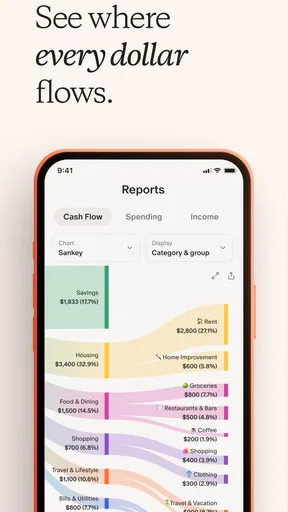
Monarch provides a comprehensive suite of features for budgeting and financial tracking. Users can link their bank accounts for real-time updates, set budgets, and track spending across different categories. It also offers goal-setting tools, personalized financial advice, and insights into spending habits, making it ideal for both beginners and seasoned budgeters.
Is Monarch secure for linking bank accounts and personal information?
Yes, Monarch prioritizes user security by employing robust encryption protocols and secure connections to protect your financial data. It's important for users to enable two-factor authentication and review the app’s privacy policy to understand how their information is stored and used, ensuring a safe financial management experience.
Can Monarch be used collaboratively by couples or families?
Monarch offers features that allow for collaborative budgeting, which is great for couples or families. Users can share access with trusted individuals, set joint goals, and track shared expenses. This feature helps in maintaining transparency and coordination when managing a household’s finances.
Does Monarch offer support for investments and retirement planning?
Yes, Monarch includes features for investment tracking and retirement planning. Users can link their investment accounts to monitor portfolio performance and receive insights into their financial future. It also provides tools to help set and achieve retirement goals, making it a comprehensive financial management app.
Is there a cost associated with using Monarch, and what are the subscription options?
Monarch offers both free and premium subscription options. The free version includes basic budgeting tools, while the premium subscription unlocks advanced features like personalized financial insights, detailed reporting, and enhanced customer support. Prospective users should review the pricing details to determine which plan best fits their needs.
